Main content starts here.
Foreign Languages > Chiba International Information Square - To foreign residents - > Chiba Nanohana News > Chiba Nanohana News (Past Issues) > Chiba Nanohana News (February 17, 2026)
Update: February 17, 2026
Chiba Nanohana News (February 17, 2026)
Index
I.Festivals and Events II.Exhibitions, Concerts, etc
I.Festivals and Events
1)Hinamatsuri (Girls’ Day) in Chiba
Hinamatsuri, also known as Doll Festival or Girls’ Day, is a traditional Japanese festival celebrated on March 3rd every year during which families pray for the health and happiness of their young daughters. Exquisite hina dolls, called “hina-ningyo” or “o-hina-sama” in Japanese, are displayed on tiered, red-carpeted platforms as decoration before and during the festival. Clothed in historical court garment from the Heian period, these dolls represent the Emperor and Empress along with their court attendants.
2026 Katsuura Big Hinamatsuri〔Katsuura City〕
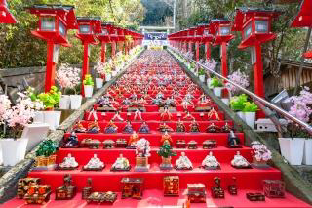
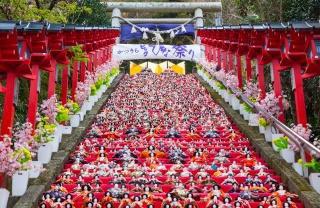
Nearly 25,000 hina dolls decorate the city during Katsuura’s Big Hinamatsuri - 7,000 at the Küste grand hall alone, and another 1,800 lined up in rows on the stone steps of Tomisaki Shrine. While one doll on its own gives off a sweet and innocent energy, the intense aura when they’re together like this is undeniable. What’s more, when the sun goes down the lights come on at the shrine, allowing visitors to enjoy a different, magnificent perspective.
At Küste, you can view Kyoho-bina, hina dolls popular during the Kyoho era, and other traditional dolls made throughout the Edo to Showa eras, and learn about the differences between dolls from eastern and western regions. Here, these displays are sure to impress travelers by showcasing the depth of hina doll history in Japan.
- Period: February 21st (Saturday) to March 3rd (Tuesday), 2026, 9 a.m. to 7 p.m.
- Venue: Katsuura Art Culture Center (Küste) / 523-1 Sawakura, Katsuura City
Tomisaki Shrine / 1 Hamakatsuura, Katsuura City
Kakuoji Temple / 1297 Idemizu, Katsuura City
Katsuura central shopping district and surrounding areas - Cost: Art Culture Center entrance fee: ¥500 (free for middle schoolers and under)
- Access: (By car) 40 minutes from the Ichihara-Tsurumai IC on the Ken-o Expressway
(By train) 10-minute walk from Katsuura Station (JR Sotobo Line) - Inquiries: Big Hinamatsuri Organizing Committee TEL: 0470-73-6641
- Katsuura City Website

20th Onjuku Hanging Hina Doll Pilgrimage / Tsuki-no-Sabaku Memorial Museum, Tezukuri-no-Kura,and 30 locations around town〔Onjuku Town〕
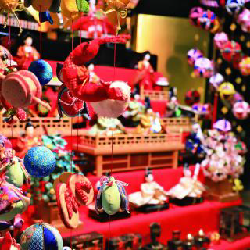
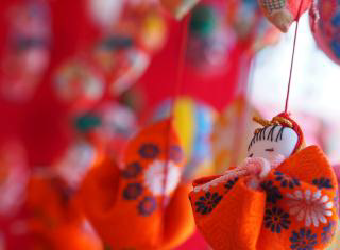
Hinamatsuri is one of Japan’s most recognizable traditional festivals. The hanging hina dolls that adorn the Tsuki-no-Sabaku Memorial Museum, Tezukuri-no-Kura, and various locations around Onjuku were made stitch by stitch with love. The makers of these decorations prayed for the health and growth of the town’s children, while also hoping to bring happiness to those who came to see the dolls.
- Period: February 21st (Saturday) to March 3rd (Tuesday), 2026
【Tsuki-no-Sabaku Memorial Museum】9 a.m.to 4:30 p.m. /【Tezukuri-no-Kura】10 a.m. to 4 p.m. - Venue: Tsuki-no-Sabaku Memorial Museum / 505-1 Rokkenmachi, Onjuku Town, Isumi District
Tezukuri-no-Kura / 2124 Kubo, Onjuku Town, Isumi District
30 locations around town - Cost: Tsuki-no-Sabaku Memorial Museum: Adults ¥400 / High schoolers, university students, 65+ years old ¥300 / Elementary and middle schoolers ¥200 ※Free entry during festival period
Tezukuri-no-Kura: Free - Access: (By car) 40 minutes from the Ichihara-Tsurumai IC on the Ken-o Expressway
(By train) Tsuki-no-Sabaku Memorial Museum / 7-minute walk from Onjuku Station (JR Sotobo Line)
Tezukuri-no-Kura / 8-minute walk from Onjuku Station (JR Sotobo Line) - Inquiries: Onjuku Town Society of Commerce and Industry TEL: 0470-68-2818
Onjuku Town Tourist Association TEL: 0470-68-2414
2)Shirako Onsen Cherry Blossom Festival / Shirako Nakazato Coastal Promenade〔Shirako Town〕
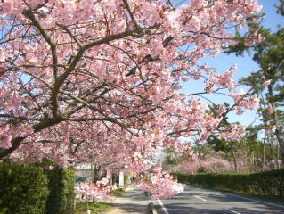
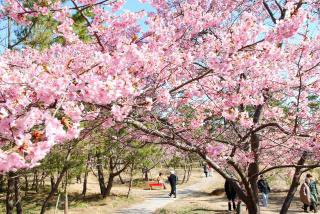
The origins of Shirako’s sakura, or cherry blossoms, are as follows: the residents Nakazato, taken with the early-blooming sakura of Izu in Shizuoka, decided to grow the trees in their own region. There are nearly 1,000 early-blooming cherry blossom trees in Shirako, with 500 of them having been planted between Hamashuku (by Prefectural Route 30, also known as the Kujukuri Beach Line) and the Nakazato Coastal Promenade area. During the festival period, the streets light up when the trees are one-third of the way to full bloom, allowing travelers to see the blossoms at night.
After enjoying the cherry blossoms while you stroll down the coastal promenade, warm yourself up in Shirako’s onsen, or hot springs. Nicknamed “The Golden Waters,” Shirako Onsen is excellent for relaxing your muscles and melting away your fatigue. Visitors can also take one-day trips to nearby hot spring facilities, perfect for those who want to stave off the cold of the season after cherry blossom viewing.
Furthermore, a unique event aptly called “Special Day” will take place at the onsen on Sunday, March 1st, so feel free to check out the Shirako Town Tourism Association’s website for all the latest information.
- Period: February 21st (Saturday) to March 8th (Sunday)
【Light-up】6 p.m. to 9 p.m. - Venue: Shirako Nakazato Coastal Promenade (Kujukuri Beach Line) / Shirako Town, Chosei District
- Access: (By car) 3 minutes from Shirako IC on the Kujukuri Toll Road
(By train) From Mobara Station (JR Sotobo Line), take the Kominato Railway bus bound for “Shirako-shako,” get off at “Nakazato-kaigan,” and walk 5 minutes.
From JR Chiba Station, take the bus from Terminal 4 bound for Chiba Shirako, and get off at “Shirako Nakazato.” - Inquiries: Shirako Town Tourism Association (Shirako Town Commerce, Industry, and Tourism Division) TEL: 0475-33-2117
3)2026 Local Octopus and Pufferfish Festival / Ohara Fishing Port〔Isumi City〕


Cape Taito/Ohara octopus, which has been recognized as a Chiba Brand Marine Product, is one of Isumi City’s specialty winter products. You can taste it along with Isumi pufferfish, which the fishermen have been reeling in a lot of in recent years, during the Local Octopus and Pufferfish Festival.
Visitors can try octopus and pufferfish hot pot at a dedicated event space within the market. This is only available during the winter, so don’t let this opportunity pass by.
There will also be a bingo challenge where you can win numerous prizes at participating shops, including the “Deluxe Morning Market Set.” We hope you’ll stop by!
■Bingo challenge card
- 【When to buy】8 to 8:50 a.m.
- 【Where to buy】event management office inside the venue
- 【Cost】¥200 per card
- 【Bingo start time】9 a.m.
※For families and groups, please send one representative to line up and purchase the desired number of cards.
※In the event of rain, the morning market will remain open but the bingo challenge will be suspended. Prizes will be carried over to the following week.
- Period: Ongoing until April 5th (Sunday), every Sunday from 8 a.m. to 12:30 p.m.
- Venue: Ohara Fishing Port / 11573 Ohara, Isumi City *Morning market location at the port
- Access: (By car) 45 minutes from the Ichihara-Tsurumai IC on the Ken-o Expressway, or 20 minutes from the Ichinomiya IC on the Kujukuri Toll Road
(By train) 20-minute walk from Ohara Station (JR Sotobo Line) - Inquiries: Minato no Asaichi Cooperative TEL: 0470-64-4518 (Mon., Tues., Fri. 9 a.m. to 12 p.m.)
II.Exhibitions, Concerts, etc
1)900th Anniversary of Chiba Special Exhibition—The Chiba Clan and Their Castles: Living, Ruling, and Fighting / Chiba City Folk Museum〔Chiba City〕
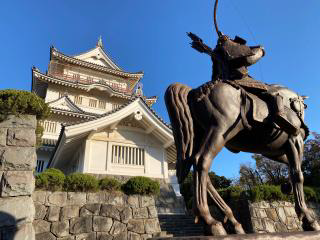
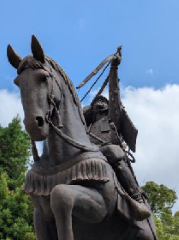
The popularity of ancient Japanese castles and their history can only be described as a “castle boom.” Those who were previously interested in the main keeps and stone walls representative of the early modern period have now turned their attention to the groundwork of these fortresses that was laid during the Middle Ages.
Considering the growing fascination with these Middle Age fortresses and the remarkable progress they underwent during this period, this exhibition strives to shed light upon the efforts of the Chiba Clan throughout the Middle Ages from the viewpoint of their castles—a meaningful endeavor indeed.
This exhibit unveils what the estates and fortresses of the Chiba Clan were like during the Middle Ages, told via the 3-word mantra of the samurai: live, rule, fight. Based on a variety of documents, the museum also introduces the role these fortresses played, and the significance of that role, in relation to the history of the Chiba Clan.
- Period: Ongoing until March 8th (Sunday), 9 a.m. to 5 p.m. (entry until 4:30 p.m.)
- Venue: Chiba City Folk Museum / 1-6-1 Inohana, Chuo-ku, Chiba City
- Cost: Free to enter
- Access(By train) : From JR Chiba Station, take the bus and get off at “Folk Museum / Chiba Prefecture Cultural Hall,” then walk 3 minutes.
13-minute walk from Kencho-mae Station (Chiba Urban Monorail)
15-minute walk from Hon-Chiba Station (JR Sotobo/Uchibo Line)
20-minute walk from Chiba-Chuo Station (Keisei Line) - Inquiries: Chiba City Folk Museum TEL: 043-222-8231
I.Festivals and Events II.Exhibitions, Concerts, etc
